


Alcohol Use Disorder
Care Options for Alcohol Use Disorder
Alcohol Use Disorder can affect health, relationships, school, and work.
This category page gathers practical information for patients and caregivers. It also supports browsing care navigation on Medispress. Topics include alcohol addiction and alcohol dependence, plus patterns often called alcohol misuse.
Explore common AUD symptoms, how clinicians approach AUD diagnosis, and what support can look like. This page is for planning and learning, not self-treatment.
Visits are conducted by video with licensed U.S. clinicians.
Alcohol Use Disorder: What You’ll Find
This browse page focuses on clear explanations and common care pathways. It helps sort terms that often get mixed together in conversation. Examples include dependence, cravings, binge drinking, and loss of control.
It also summarizes tools and care types that clinicians may discuss. That includes alcohol screening tools and how results are interpreted. Screening is not the same as a diagnosis, even when scores are high.
Many people also want practical context for next steps. The sections below highlight what can be compared side by side. They also point to related behavioral health topics that can overlap.
- Plain-language definitions and clinical terms, including DSM-5 alcohol use disorder criteria
- Common alcohol screening questionnaires, including the AUDIT questionnaire and CAGE questionnaire
- Care setting overviews, including inpatient alcohol treatment and outpatient alcohol treatment
- Common therapy approaches, including CBT for alcohol use and motivational interviewing for alcohol
- Relapse prevention for alcohol and harm reduction alcohol concepts
- Medication names sometimes used in treatment discussions, including naltrexone for alcohol, acamprosate for alcohol, and disulfiram for alcohol
- Navigation to related mental health and substance use collections for co-occurring concerns
How to Choose
Choosing support often starts with clarifying goals and constraints. Some people want abstinence, while others start with harm reduction. Many also need a plan that fits work, caregiving, or transportation.
When browsing Alcohol Use Disorder resources, compare what each option helps with. Look for clear descriptions of scope, follow-up expectations, and safety boundaries. Also note whether a program supports family involvement when appropriate.
Match the level of care to risk
- History of severe alcohol withdrawal symptoms, which can require monitored care
- Medical conditions that may complicate alcohol withdrawal management
- Need for structure, such as daily check-ins or group programming
- Ability to attend regular sessions for outpatient alcohol treatment
- Whether a setting can address medication monitoring and side effects
Quick tip: Keep a simple timeline of drinking patterns and triggers for visits.
Plan for co-occurring needs
- Symptoms that may suggest anxiety or panic, including sleep disruption and restlessness
- Trauma-related symptoms that can worsen cravings during stress
- Mood shifts that may signal bipolar spectrum illness
- Other substance use concerns that change the safety plan
- Family support for AUD, including boundaries and communication goals
Co-occurring disorders alcohol can be common in real-world care. For related collections, browse Generalized Anxiety Disorder, Posttraumatic Stress Disorder, and Bipolar Disorder. For substance use overlap, see Opioid Use Disorder.
Appointments take place in a secure, HIPAA-compliant app.
Safety and Use Notes
Alcohol withdrawal symptoms can range from mild to life-threatening. Risk depends on drinking history, health conditions, and past withdrawal episodes. Many people search for an alcohol detox timeline, but timing varies widely.
Why it matters: Alcohol withdrawal can become dangerous without timely medical support.
In general, detox support focuses on monitoring and preventing complications. Clinicians may recommend higher-acuity care when safety risks are present. That may include medically supervised detox or inpatient alcohol treatment.
- Seek urgent help for confusion, seizures, fainting, or severe agitation
- Call emergency services for chest pain, trouble breathing, or unresponsiveness
- Avoid mixing alcohol with sedatives or opioids, due to overdose risk
- Share all medicines and supplements, since interactions are common
- Ask how follow-up will work after early stabilization
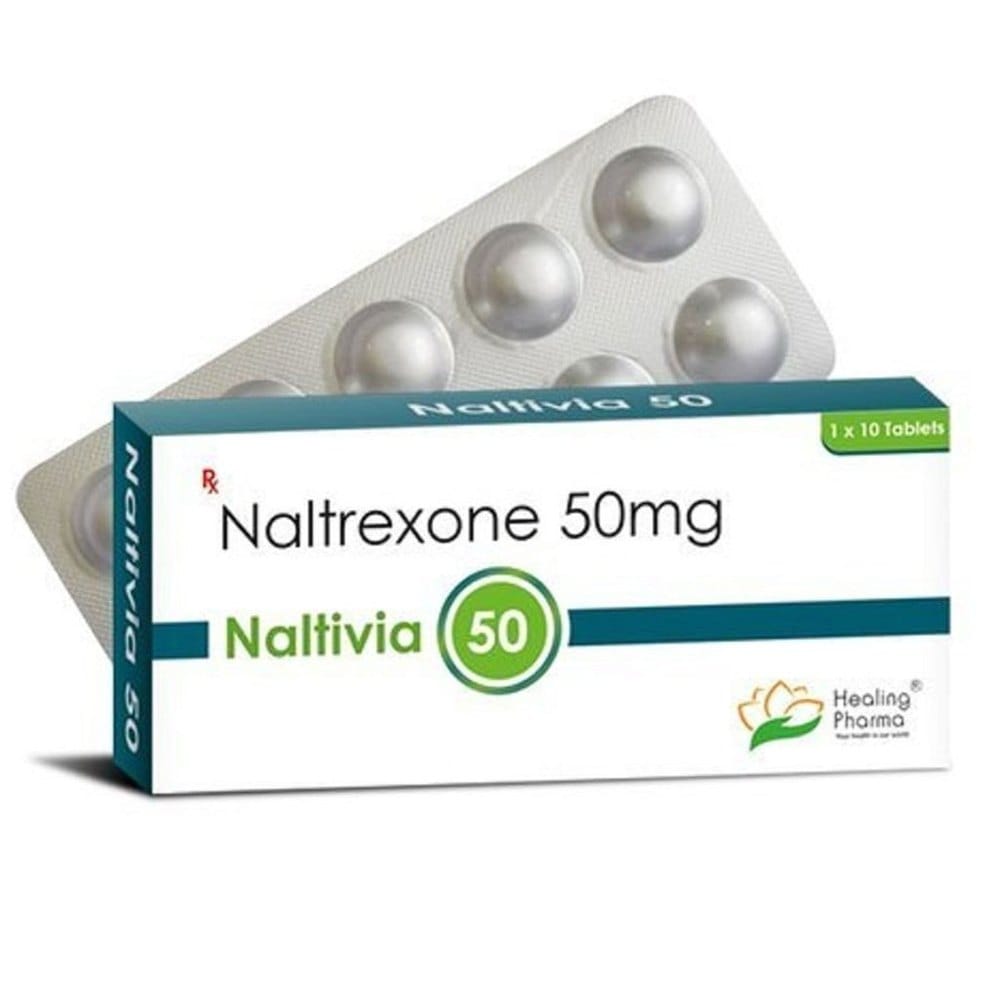
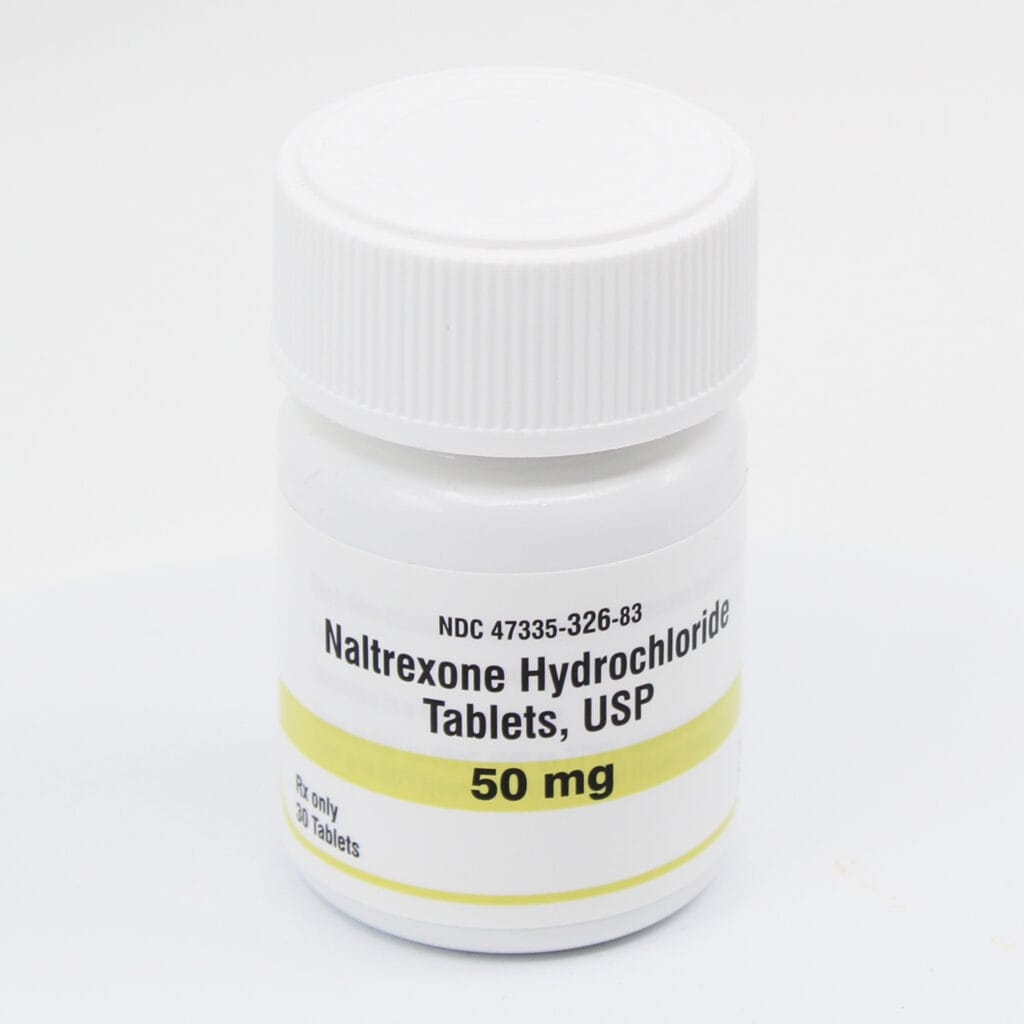
Medications for alcohol use disorder may be considered in some care plans. Examples include naltrexone, acamprosate, and disulfiram, each with different considerations. A clinician will review medical history, current medicines, and safety risks before discussing any option.
For a neutral overview of definitions and evidence-based care, see this public resource from NIAAA on alcohol use disorder.
Access and Prescription Requirements
Access can look different depending on care setting and medication needs. Some services are education and counseling only, while others involve prescriptions. This can change what documentation is required.
On Medispress, Alcohol Use Disorder care may include telehealth evaluation when appropriate. Prescription medications, when used, require a clinician’s authorization and pharmacy verification. Availability also depends on state regulations and clinical safety screening.
- Prescription-only treatments require identity checks and a documented clinical evaluation
- Pharmacies may verify allergies, interactions, and controlled substance restrictions
- Some cases need in-person assessment, labs, or higher-level monitoring
- Cash-pay options are available, often without insurance, depending on services used
- Keep a current medication list ready to reduce back-and-forth messaging
If clinically appropriate, clinicians may coordinate prescriptions with partner pharmacies, subject to state rules.
Related Resources
Behavioral health support often works best when it is coordinated. Sleep, nutrition, and stress can affect cravings and relapse risk. Reading across topics can also help families understand what is changing.
For broader browsing, see Behavioural Disorders. For practical background on care models, review Alcohol Dependence Treatment Options. For visit planning, use Virtual Doctor Appointment Checklist.
Supportive routines can matter alongside formal treatment. For sleep basics, see Better Sleep Habits. For nutrition context, read Nutrition And Mental Health. For anxiety overlap and care format, browse Telehealth For Anxiety.
Support groups for alcohol can also help with connection and accountability. Options vary, including AA alternatives and family programs. For national help and referral information, see SAMHSA National Helpline information.
This content is for informational purposes only and is not a substitute for professional medical advice.

Find suitable medication for Alcohol Use Disorder


Book a telehealth visit to discuss Alcohol Use Disorder
Find a doctor
Speciality
State

Video Visit
$69

Video Visit
$69

Video Visit
$69

Video Visit
$69

Video Visit
$69

Video Visit
$69

Speciality: Dermatology, Family Medicine, Men's Health, Urgent Care, Women's health
Speaks: English, Spanish, French, Arabic, Portuguese
Video Visit
$69

Video Visit
$69

Video Visit
$69

Video Visit
$69

Video Visit
$69

Video Visit
$69
Frequently Asked Questions
What is included on this Alcohol Use Disorder category page?
This category page brings together navigation-friendly information and related resources. It covers common terms like alcohol dependence and alcohol misuse. It also summarizes screening questionnaires, care settings, and therapy approaches. Some pages may discuss medications used in treatment conversations, plus safety topics like withdrawal. Links to related mental health collections are included for co-occurring symptoms. The goal is to make browsing options clearer and less overwhelming.
How are AUDIT and CAGE questionnaires used?
The AUDIT questionnaire and CAGE questionnaire are screening tools. They can flag patterns that may need a closer look. They do not confirm a diagnosis by themselves. Scores are usually interpreted alongside medical history and current symptoms. Clinicians may also compare findings with DSM-5 alcohol use disorder criteria. If results raise concern, the next step is often a structured clinical evaluation and a safety review.
What should I know about alcohol withdrawal symptoms and safety?
Alcohol withdrawal symptoms can range from mild shakiness to severe confusion or seizures. Risk is higher with heavy, long-term use or past withdrawal episodes. Because complications can be serious, clinicians may recommend monitored withdrawal management. Some situations require urgent or emergency care, especially with seizures, fainting, or breathing problems. Educational content can explain warning signs, but it cannot replace real-time medical assessment.
What treatments are commonly used for alcohol use disorder?
Treatment for alcohol use disorder often combines more than one approach. Counseling methods like CBT for alcohol use and motivational interviewing for alcohol are common. Some programs also use relapse prevention planning and peer support groups for alcohol. In higher-risk situations, inpatient alcohol treatment or medically supervised detox may be recommended. Clinicians may also discuss medications for alcohol use disorder, depending on history, goals, and safety factors.
Can telehealth be used for Alcohol Use Disorder care?
Telehealth can support some parts of care, such as screening discussions, counseling, and follow-up planning. It may also be used for clinician evaluation when appropriate. Some situations still need in-person care, labs, or higher-level monitoring, especially with complex withdrawal risk. If a prescription is considered, a licensed clinician makes that decision. Pharmacies may also require verification steps, and state rules can affect fulfillment.