


Acute Myeloid Leukemia
Care Options and Resources for Acute Myeloid Leukemia
Acute Myeloid Leukemia can feel overwhelming for patients and caregivers. This category page brings together practical browsing tools and plain-language explanations. Use it to compare supportive resources and understand common terms. It can also help organize questions for the care team.
Medispress telehealth visits connect patients with licensed U.S. clinicians by video. Providers make clinical decisions based on the full picture.
This page does not replace oncology care. It supports day-to-day planning, paperwork readiness, and safer navigation. For broader browsing, see our Leukemia Overview and Blood Cancers Collection.
Acute Myeloid Leukemia: What You’ll Find
Within this collection, listings and resources often reflect how AML care gets described. You may see terms like AML symptoms, AML diagnosis, and AML risk factors. You may also see differences between AML in adults and pediatric AML. These labels help with sorting, not self-diagnosis.
Many people also encounter genetic and subtype language during care. Examples include AML cytogenetics (chromosome changes) and named AML subtypes. Some subtypes have distinct pathways, such as acute promyelocytic leukemia. Resources may also reference mutations like FLT3 mutation AML, NPM1 mutation AML, or IDH1 IDH2 AML.
Why it matters: Small wording differences can point to very different clinical pathways.
- Condition-aligned items and care support resources
- Plain-language definitions for common AML terms and abbreviations
- Navigation to related leukemia categories for comparison
- Telehealth preparation resources for administrative readiness
How to Choose
Use the details on each listing to match it to the current care plan. Acute Myeloid Leukemia resources can vary by goal and timing. Some focus on education. Others support medication coordination or symptom tracking.
Match resources to the care phase
- Look for where a resource fits in remission induction (first phase to clear blasts).
- Check if it references AML consolidation therapy (follow-up treatment to maintain remission).
- Note whether it discusses stem cell transplant AML (bone marrow transplant) logistics.
- Scan for AML recurrence topics, if that is the current concern.
Use terms that affect discussions with clinicians
- Confirm whether the resource differentiates AML vs ALL and AML vs CML.
- Watch for mutation-specific language tied to targeted therapy AML.
- Look for side effect discussions that mention monitoring and reporting.
- Prefer materials that cite or align with AML guidelines when possible.
Quick tip: Keep diagnosis summaries and medication lists in one shared folder.
Planning a visit often helps with decision-making conversations. Our Virtual Doctor Visit Guide and Top Telehealth Visit Questions can help structure notes. If telehealth is new, see What Telehealth Can Treat for general boundaries.
Safety and Use Notes
AML treatment options often include intensive therapies and close monitoring. That care can involve transfusions, infection prevention, and symptom support. Some people also explore AML clinical trials with their oncology team. Each path has unique eligibility and risk discussions.
Visits take place in a secure, HIPAA-compliant mobile and web app.
Medication-related information should stay tied to the official plan. Interactions can matter, including over-the-counter products and supplements. AML side effects can overlap with other conditions, so careful reporting helps clinicians. Seek urgent medical care for severe symptoms like uncontrolled bleeding or high fever.
- Keep an updated list of prescriptions, OTC products, and supplements.
- Note allergies and prior reactions, especially with infusions.
- Ask how to report side effects and who to contact after hours.
- Confirm which symptoms warrant urgent evaluation versus routine follow-up.
Access and Prescription Requirements
Some items in this collection may require a prescription. When a prescription is needed, licensed pharmacies use standard verification steps. Requirements can vary by medication, state rules, and pharmacy policies. Some people use cash-pay options, often without insurance, for simpler access.
Clinicians may send prescriptions to partner pharmacies when appropriate, following state rules.
For efficient coordination, it helps to have key details ready. That can include the oncology clinic contact, recent medication changes, and current pharmacy information. If insurance is used, some therapies may involve plan-specific reviews. If paying cash, the same safety checks still apply.
- Diagnosis summary and recent care notes, if available
- Mutation and subtype results, if already documented
- Current medication list, including supportive care medicines
- Preferred pharmacy details and a backup option
Related Resources
Many people compare similar conditions while learning the terminology. Browse Chronic Myeloid Leukemia and Chronic Lymphocytic Leukemia for contrast in naming and care patterns. For another acute leukemia category, see Philadelphia Chromosome Positive ALL.
For definitions and care concepts, the National Cancer Institute AML overview provides a solid baseline. For patient-facing explanations, the American Cancer Society AML pages also summarize key topics. Use those sources to ground terms like AML prognosis and AML survival rates, then discuss meaning with a clinician.
This content is for informational purposes only and is not a substitute for professional medical advice.

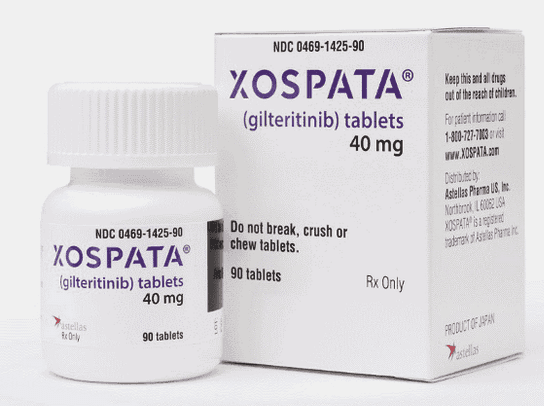
Find suitable medication for Acute Myeloid Leukemia
Book a telehealth visit to discuss Acute Myeloid Leukemia
Find a doctor
Speciality
State

Video Visit
$69

Video Visit
$69

Video Visit
$69

Video Visit
$69

Video Visit
$69

Video Visit
$69

Speciality: Dermatology, Family Medicine, Men's Health, Urgent Care, Women's health
Speaks: English, Spanish, French, Arabic, Portuguese
Video Visit
$69

Video Visit
$69

Video Visit
$69

Video Visit
$69

Video Visit
$69

Video Visit
$69
Frequently Asked Questions
What is this category page meant to help with?
This category page supports browsing and organizing information related to Acute Myeloid Leukemia. It can help patients and caregivers compare topics like subtypes, mutations, supportive care needs, and care phases. It may also help prepare questions before a clinic or telehealth visit. The content is educational and administrative, not a treatment plan. A licensed clinician should interpret symptoms, test results, and medication choices.
What details are useful to have on hand when reviewing AML resources?
It helps to keep a short, current summary that matches the medical record. Useful items include the diagnosis wording, any noted AML subtype, and mutation results if already reported. Keep a medication list that includes supportive care drugs and over-the-counter products. Add allergies and past serious reactions. If coordinating prescriptions, note preferred pharmacy details and the oncology clinic contact. This reduces back-and-forth during care coordination.
Can telehealth play a role alongside oncology care for AML?
Telehealth can sometimes support care coordination and education between in-person oncology visits. A clinician may review symptoms, medication side effects, and questions about instructions already given by the oncology team. Telehealth can also help with documentation needs and next-step planning. It does not replace urgent or emergency evaluation for severe symptoms. Clinicians decide what is appropriate based on the situation and available information.
How are prescriptions handled when a medication requires one?
Prescription-required items need a valid prescription from a licensed clinician. When clinically appropriate, a provider may coordinate prescription routing through partner pharmacies, following state rules. Pharmacies use standard verification steps, and some medications have additional safety requirements. Some people use cash-pay options, often without insurance, depending on eligibility and availability. Insurance rules can also affect access through prior reviews, which vary by plan.
How should survival rate or prognosis information be interpreted?
Survival statistics describe large groups, not individual outcomes. AML prognosis can vary by age, overall health, subtype, cytogenetics, and specific mutations. Timing and response to initial therapy also matter. Some sources report different numbers based on how they define groups and time periods. Use reputable references for context, then ask a clinician how the information applies to the current clinical situation. Avoid making decisions from a single statistic alone.