



A normal temperature for adults is usually a range, not one fixed number. For most adults, an oral temperature around 97°F to 99°F (36.1°C to 37.2°C) is considered typical, while 98.6°F is only an average. That matters because the same reading can mean different things depending on how it was measured, what time of day it is, and whether you have symptoms. The safest way to read a temperature is to pair the number with context, not to treat one reading as the full story.
Key Takeaways
- 98.6°F is an average, not a rule.
- For many adults, 97°F to 99°F is typical.
- 99°F is not always a fever.
- Older adults may run lower at baseline.
- Below 95°F needs urgent medical care.
Normal Temperature for Adults Is a Range, Not One Number
Most people grew up hearing that normal body temperature is 98.6°F, or 37°C. That figure is still useful as a reference point, but it does not define health for every adult. Many healthy adults run a little lower, and some run a little higher, without any problem.
In practical terms, an oral reading between about 97°F and 99°F is often considered normal. Some medical references use a slightly wider range. The bigger point is that a normal reading is better understood as a band, not a single target you have to hit every time.
Recent research has also shown that average temperatures in adults may be a bit lower than the old textbook number. That does not make 98.6°F wrong. It simply means body temperature is personal. Knowing your usual baseline makes normal temperature for adults easier to interpret than memorizing one ideal number.
Average and baseline are not the same thing
An average describes a population. A baseline describes you. If you usually run at 97.4°F and one day you are 99.1°F with chills, that change may matter more than it would for someone who often runs warmer. On the other hand, a person who regularly sits near 99°F and feels well may not be having a fever at all.
This is why one reading should rarely be read in isolation. A number becomes much more useful when you compare it with your usual pattern and with any symptoms that appeared around the same time.
Why Healthy Readings Change During the Day
Your body temperature moves up and down even when you are well. It often runs lower in the morning and higher later in the day. Exercise, a hot room, warm clothing, a hot shower, emotional stress, and recently eating or drinking can all nudge a reading upward for a short time.
Measurement timing also matters. An oral temperature can read differently if you check it right after a hot drink, an iced drink, smoking, or vigorous activity. Underarm readings often run lower than oral readings. Ear and forehead devices can be helpful, but technique matters.
Age changes the picture too. Older adults often have a slightly lower resting baseline, so an infection may not produce a dramatic spike. Hormonal changes can also shift temperature a little in some adults, especially across the menstrual cycle. Because of these normal shifts, normal temperature for adults can look different at 7 a.m. than it does at 7 p.m.
Why it matters: A single reading becomes more useful when you compare it with your usual pattern, the method used, and your symptoms.
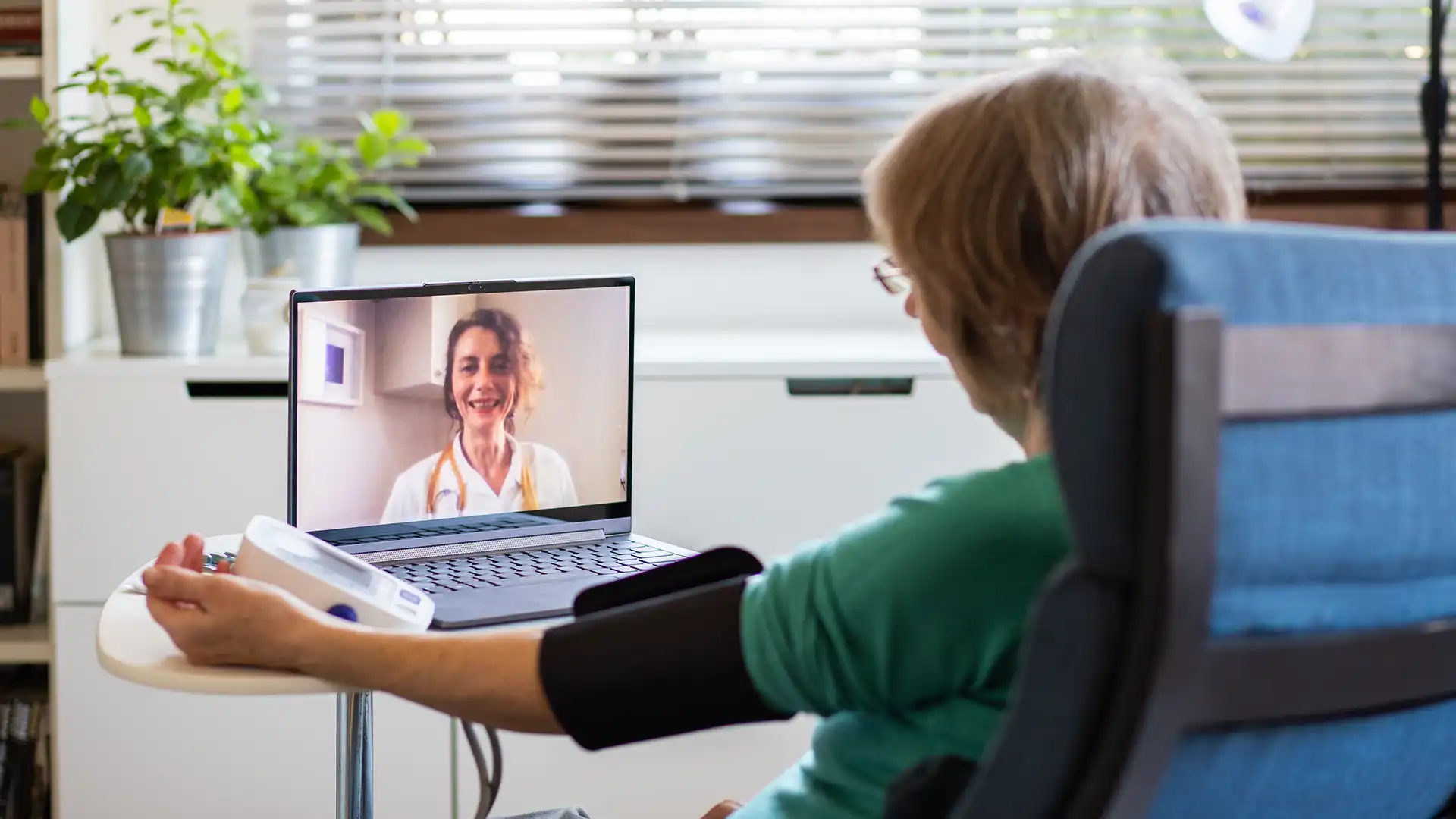
Medispress connects patients with licensed U.S. clinicians by video visits.
How to Measure Temperature More Accurately at Home
The thermometer reading is only as helpful as the method behind it. If you switch between devices or body sites, you may see differences that look alarming but are really about technique. The most reliable home approach is usually consistency: use the same thermometer, the same method, and the same general conditions when you are comparing readings over time.
Oral, ear, and temporal artery readings are generally more useful for adults than axillary readings, which are taken in the armpit. Armpit temperatures can be lower and less precise, so they are often better as a rough screen than as the final word. If a number does not fit how you feel, repeat the measurement the same way first before jumping to conclusions.
Try not to compare a forehead reading today with an oral reading from last week as if they are the same metric. Both can be useful, but they are not interchangeable. Once you choose a method, future readings taken the same way are the best comparison point.
| Method | Helpful point | Watch for |
|---|---|---|
| Oral | Common home method for adults | Hot or cold drinks can skew the reading |
| Ear | Quick and convenient | Technique and earwax can affect results |
| Forehead | Easy and noninvasive | Follow the device instructions closely |
| Armpit | Useful as a backup check | Often lower and less precise |
Quick tip: If you are tracking change over time, stick with one thermometer and one method.
That is one reason normal temperature for adults should always be read in context. A good reading is not just the number. It is the number plus the method, timing, and symptoms.
Common mistakes that can change the number
- Switching thermometer types mid-illness
- Checking right after exercise
- Taking an oral reading after hot or cold drinks
- Comparing an armpit result to an oral baseline
- Not repeating an unexpected reading
How to Build a Useful Personal Baseline
If you tend to worry over one unexpected temperature, a simple baseline can help. Check your temperature when you feel well on a few different days, using the same thermometer and the same method. You are not trying to diagnose anything. You are learning what is ordinary for your body.
A short log can make future readings easier to understand. Note the time of day, how the temperature was measured, whether you had just exercised or eaten, and whether you had any symptoms. After a few entries, you may see that your readings cluster in a narrow range.
For many adults, this approach makes temperature less mysterious. Instead of asking whether you hit one textbook number, you can ask whether the reading is clearly above or below your usual pattern. That makes normal temperature for adults more personal and often more accurate in day-to-day life.
When 99°F Is and Is Not a Fever
For most adults, 99°F is not automatically a fever. It can be a normal late-day reading, a result of recent activity, or part of that person’s usual baseline. The number matters, but so do the timing, the measurement method, and the symptoms around it.
In many adult guidelines, fever is defined as 100.4°F (38°C) or higher. That is the clearest general threshold for home monitoring. Still, clinical context matters. An older adult or someone with a lower baseline temperature may have an important change before reaching 100.4°F, especially if they also have weakness, cough, chills, confusion, or poor appetite.
Example: one adult checks a temperature after climbing stairs and gets 99.1°F, then feels fine after resting. Another has the same number along with shaking chills and a new cough. The thermometer matches, but the situation does not.
When a lower rise may still matter
A temperature that looks only mildly high on paper may still deserve attention if it is a clear jump from your normal, if you have a medical condition that changes how you respond to infection, or if other symptoms are significant. This is especially true in older adults, who may not mount a large fever response.
If fever comes with marked body aches or inflammatory symptoms, broader symptom context from the Pain And Inflammation hub may be useful while you decide whether to monitor or seek care.
The treating clinician makes the clinical decision.
Who Should Pay Closer Attention to Smaller Changes
Small shifts can matter more in some adults than in others. Older adults, people with weakened immune systems, people who recently had surgery, and people managing chronic medical problems may not show the same textbook temperature pattern as a younger healthy adult.
Medicines can also blur the picture. Antipyretics, which are fever-reducing medicines such as acetaminophen or ibuprofen, may lower a reading without answering why it went up. Steroids and some other treatments can change how the body responds to infection as well.
That does not mean every small temperature change is dangerous. It means the number should be read alongside symptoms, recent exposures, and your baseline. If a mild temperature change comes with new confusion, weakness, poor intake, or shortness of breath, symptoms usually matter more than whether the reading crossed a single textbook cutoff.
What About 96.6°F or Lower?
A reading of 96.6°F can be normal for some adults. It is more likely to be harmless when you feel well, the reading was taken correctly, and repeat checks are similar. Morning readings can run lower, and some people simply have a lower personal baseline.
Low readings can also happen because of the way temperature was taken. An armpit reading, a cool room, poor thermometer contact, or checking too quickly can all pull the number down. If a low result surprises you, repeat it with the same device and method, then consider a second method if that makes sense for the device you have.
What matters most is whether the temperature is persistently low or accompanied by symptoms. Shivering, unusual sleepiness, clumsiness, blue or pale skin, slurred speech, and confusion deserve prompt attention. Hypothermia, which means abnormally low body temperature, is generally defined as below 95°F or 35°C and needs urgent medical care.
Low temperatures may sometimes be linked to cold exposure, alcohol use, hormone problems, certain medicines, infection, or serious illness. When the number does not fit how you feel, or when it stays low across repeat readings, it is reasonable to get medical guidance rather than guessing.
When to Check In With a Clinician
You should check in with a clinician when temperature changes are repeated, unexplained, or paired with symptoms that suggest more than a minor passing illness. That includes persistent fever, repeated low readings, dehydration, chest pain, trouble breathing, severe weakness, worsening pain, or confusion.
For non-urgent concerns, general medicine clinicians can help interpret temperature patterns alongside medications, recent illnesses, chronic conditions, and exposure history. Depending on the situation, you may find relevant care through Family Medicine, Internal Medicine, or Preventive Medicine. If you are unsure whether a symptom cluster can be reviewed remotely, What Telehealth Can Treat offers a general overview of common telehealth use cases.
Virtual care can help with symptom review and next-step planning when the situation is stable. It is not the right setting for severe breathing trouble, chest pain, fainting, seizures, or suspected hypothermia.
What to note before a visit
- The exact temperature and time
- How the reading was measured
- Whether the result changed on repeat checks
- Symptoms such as cough, chills, pain, or confusion
- Recent heat, cold, or sick contacts
- Medicines that may affect temperature
If a temperature change happens more than once, keep a short log for a few days. Organized notes often help a clinician more than a single remembered number. When temperature changes come with new body aches or joint discomfort, broader context from Joint Pain Relief may help you describe the symptoms clearly, though fever with a hot or swollen joint deserves prompt assessment.
Prescription coordination, when appropriate, follows state rules.
Authoritative Sources
- MedlinePlus medical encyclopedia on body temperature norms
- Mayo Clinic first-aid overview of fever in adults
- Systematic review of normal body temperature research
Most adults do not need a perfect number. They need context: their usual baseline, the method used, the symptoms present, and the direction of change over time. Read that way, a temperature is much easier to sort into normal variation, a sign to recheck, or a reason to contact a clinician.
This content is for informational purposes only and is not a substitute for professional medical advice.