


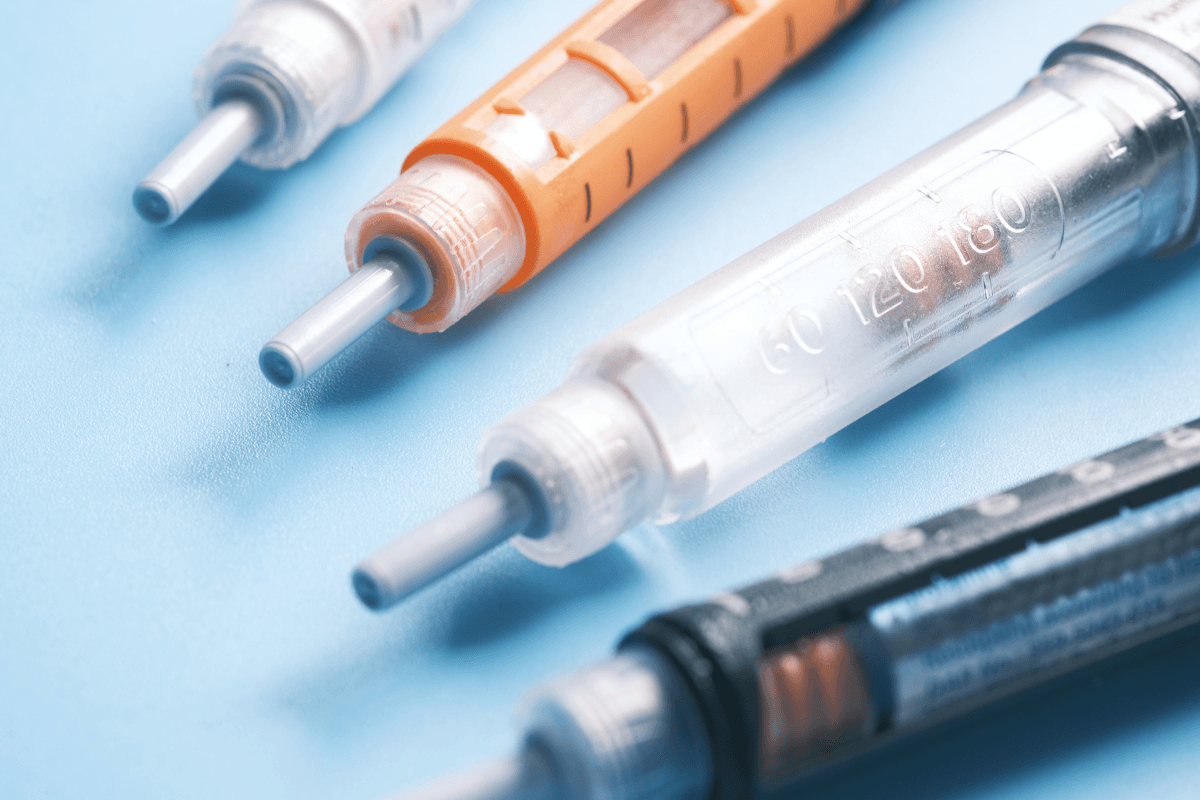

Many people exploring medical weight management start with one practical question: how to get weight loss injections in a way that is safe, legitimate, and medically supervised. Telehealth can make that process simpler, especially if local appointments are hard to schedule. But convenience should never replace careful screening, clear education, and follow-up.
This overview explains what weight-loss injections usually are, what a clinician typically reviews, and what to prepare for a virtual visit. It also covers common side effects, how to compare injections with oral medications, and how coverage decisions are often made. For more background reading, you can browse the Weight Management Category and the Telehealth Category.
Key Takeaways
- Start with safety: Use a licensed clinician and a real medical evaluation.
- Know the category: Many injections are GLP-1–based medicines that affect appetite and blood sugar.
- Plan for follow-up: Monitoring matters, especially early on or after changes.
- Side effects are common: Stomach symptoms are frequent and usually manageable.
- Coverage varies: Insurance rules often depend on plan criteria and documentation.
how to get weight loss injections online: a safety-first path
Getting started is less about finding “the best shot” and more about choosing a medically sound pathway. The safest route looks similar to an in-person visit: history, risk review, shared decision-making, and follow-up. Telehealth can deliver those steps, but you still want clear guardrails and documentation.
Care on Medispress is provided by licensed U.S. clinicians.
Checklist: what to prepare before your visit
Preparation helps the clinician give you a more accurate recommendation. It also reduces back-and-forth if labs, prior records, or prior authorization paperwork is needed. Bring what you can, and be honest about what you do not know.
- Current medications: include OTC drugs and supplements
- Medical history: diabetes, gallbladder, pancreas, thyroid, kidney issues
- Past weight efforts: nutrition changes, activity, prior prescriptions
- Recent vitals: weight trend, blood pressure if available
- Symptoms: reflux, nausea, constipation, low appetite
- Family history: endocrine or thyroid cancers if known
- Goals: health outcomes, mobility, labs, energy, habits
During a telehealth evaluation, the clinician may ask about eating patterns, alcohol intake, sleep, and stress. These details help distinguish “willpower problems” from physiology and environment. If you want a mindset reset first, Truth About Weight Loss is a helpful starting point.
Common pitfalls to avoid
Unsafe shortcuts tend to share the same warning signs: no real evaluation, vague product sourcing, and no plan for side effects. You do not need to memorize red flags. You just need to recognize when the process is missing.
- No clinician visit: “approved” without a conversation
- Unclear medication name: vague “GLP-1 compound” language
- No review of interactions: especially with diabetes medications
- One-size plan: no screening questions or follow-up
- Pressure tactics: rushing you past risks and alternatives
If you are comparing providers, look for a transparent evaluation, clear medication counseling, and a pathway for follow-up questions. That structure matters more than marketing.
What Weight Loss Injections Usually Mean
“Weight loss injection” is a broad term. In everyday use, it often refers to prescription medicines in the GLP-1 receptor agonist family (GLP-1 RA) or related drugs. GLP-1 is a gut hormone involved in appetite and blood sugar regulation. These medications can help many people feel full sooner, reduce food noise, and support healthier eating patterns over time. They are not cosmetic tools, and they are not meant to replace nutrition or movement.
Brand names you may hear include semaglutide products (such as Wegovy) and tirzepatide products (such as Zepbound). Some of these medicines were first developed for type 2 diabetes and later studied for chronic weight management. A clinician will consider your health profile, contraindications, and goals rather than treating these as interchangeable options.
Even within the same drug class, people respond differently. Some feel strong appetite reduction. Others notice only subtle changes but benefit from steadier blood sugar or improved ability to follow a plan. If you are working on metabolic health alongside weight goals, learning habits that support glucose stability can help, too. See Keep Blood Sugar Stable for practical lifestyle fundamentals.
When readers ask how to get weight loss injections responsibly, what they often need is clarity on the “what” and “why.” The “what” is a prescription medication with known benefits and risks. The “why” is to support long-term health goals under medical supervision, not to chase rapid changes.
Telehealth Screening: What Clinicians Review
A safe telehealth visit should feel like real medicine, not a formality. The clinician’s job is to assess whether a prescription is appropriate and to identify risks that could outweigh benefits. That assessment may include your weight history, comorbidities (health conditions that occur together), and prior medication experience.
Appointments are conducted by video in a HIPAA-compliant app.
Information a clinician may request
Expect questions that may feel detailed. They are meant to reduce avoidable side effects and catch conditions that change the risk/benefit picture. You may be asked about pancreatitis history, gallbladder disease, severe reflux, kidney disease, past bariatric surgery, and current pregnancy plans. Clinicians often review current medications for interactions and to avoid duplicating therapies. Depending on your situation, they may also request recent labs (such as glucose or A1C for diabetes risk, kidney function, or lipid levels) or ask for documentation from prior care. The goal is a safer starting point, not a barrier.
Red flags and “not a fit” scenarios
Some people should avoid certain injections, or use them only with careful specialist input. Examples can include a personal or family history of specific endocrine cancers, prior severe pancreatitis, or situations where nausea and slowed stomach emptying could be risky. Your clinician may also recommend a different approach if disordered eating is active, if you have uncontrolled symptoms that need evaluation, or if your current medications make hypoglycemia (low blood sugar) more likely.
If a clinician tells you that an injection is not appropriate right now, that is not a dead end. It is a safety checkpoint. The next step might be addressing blood pressure, sleep, mental health, or a different weight-loss medication strategy. If hypertension is part of your picture, Treating Hypertension Options provides a clear overview to discuss with your care team.
For many people, the most important part of how to get weight loss injections safely is this screening step. It is where you turn a trending medication into an individualized plan.
Side Effects and Safety Monitoring at Home
Most prescription weight-loss injections have side effects that are predictable and often dose-related. The most common issues are gastrointestinal: nausea, vomiting, diarrhea, constipation, or stomach discomfort. Some people also notice fatigue, headache, or injection-site irritation. These effects may improve as the body adjusts, but they should be taken seriously rather than pushed through.
Why it matters: Side effects can affect hydration, nutrition, and other medications you take.
What “monitoring” can look like in real life
Monitoring does not have to be complicated. It usually means paying attention to symptoms, eating patterns, and any changes in other conditions. If you have diabetes or prediabetes, your clinician may also want you to track glucose patterns, because appetite changes can shift how you eat and how other medications work. Lifestyle support helps here: steady meals, adequate protein, and hydration can reduce day-to-day discomfort for many people.
Simple habits add up. If you want a general health baseline that supports any weight plan, Healthy Living Essentials and Benefits of Hydration cover practical steps that complement medical care.
When people search how to get weight loss injections, they often underestimate this part. The safest programs normalize follow-up, because that is where dose tolerance, side effects, and lifestyle adjustments get addressed.
Cost and Coverage: What to Expect
Costs and insurance coverage for weight-loss medications vary widely. Coverage can depend on your plan, your employer’s benefits design, and whether the medication is on your formulary. Even when a drug is covered, prior authorization is common. That means your clinician may need to submit documentation showing medical necessity and that you meet the plan’s criteria.
If appropriate, clinicians may coordinate prescription options through partner pharmacies.
If you are trying to get care without insurance, ask early about cash-pay options for visits and pharmacy fulfillment, and confirm what is and is not included. If you do have insurance, ask what documentation your plan typically requires, and whether step therapy applies (trying a different treatment first). People often look up terms like “Blue Cross Blue Shield Wegovy coverage,” but the real answer is always plan-specific.
A practical coverage checklist
Insurance paperwork is frustrating, but it becomes manageable when you treat it like a short project. These are common items that help a clinician’s office or telehealth service submit a complete request:
- Diagnosis details: BMI history and related conditions
- Prior attempts: lifestyle programs you have tried
- Current meds list: including diabetes or steroid use
- Recent labs: when relevant to your risk profile
- Pharmacy benefits info: PBM name, member ID, formulary tier
If coverage is denied, you can ask what criteria were not met and whether an appeal is allowed. For those navigating care without insurance, a clinician can still help you weigh alternatives, including oral medications, structured lifestyle plans, or different timing based on health priorities.
One more note: be cautious of any source promising the “cheapest” route with no clinical review. Lower cost is not a good trade if the medication source, follow-up, or safety screening is unclear.
Injection vs. Pill: How to Compare Options
Some people assume injections are always “stronger” than pills. Others want to know “what is the strongest weight loss prescription pill.” In practice, the best choice is the one that fits your medical history, risk tolerance, and ability to stick with the plan. Route of administration is only one factor. Side effects, contraindications, and interactions can matter more.
Quick tip: Compare options using safety and fit, not social media anecdotes.
| Decision factor | Injection medications | Oral medications |
|---|---|---|
| How they’re taken | Self-injection on a schedule, per prescription | Daily or scheduled oral dosing, per prescription |
| Common trade-offs | GI side effects; injection technique and storage | Different side effects; may have more interactions for some people |
| Best for | People who prefer less frequent dosing or need GLP-1–type effects | People who prefer pills or have reasons to avoid injections |
| Follow-up needs | Symptom monitoring, nutrition tolerance, comorbidity review | Symptom monitoring, blood pressure or mood review (drug-dependent) |
Your clinician may also consider your daily routine. For example, if you struggle with consistent meals, appetite suppression can backfire if it leads to skipping protein and fluids. If movement is limited by joint pain or neuropathy, a safer activity plan can be part of the conversation. If you have diabetes, exercise choices can affect glucose patterns; Top Exercises for Diabetes offers low-friction options to discuss with a clinician or coach.
Finally, remember that “at home” should still mean “with oversight.” If you are deciding how to get weight loss injections through telehealth, build your plan around follow-up access, side-effect education, and realistic habit support.
Authoritative Sources
For evidence-based background, these organizations provide regularly updated patient information:
- FDA overview of FDA-approved weight-loss products
- NIDDK on prescription medications for obesity
- Obesity Medicine Association patient resources
Further reading can help you ask better questions, but your own risk factors still matter most. If you are unsure whether injections are appropriate, a clinician can review your history and discuss alternatives, including oral medications and structured lifestyle programs.
This content is for informational purposes only and is not a substitute for professional medical advice.