


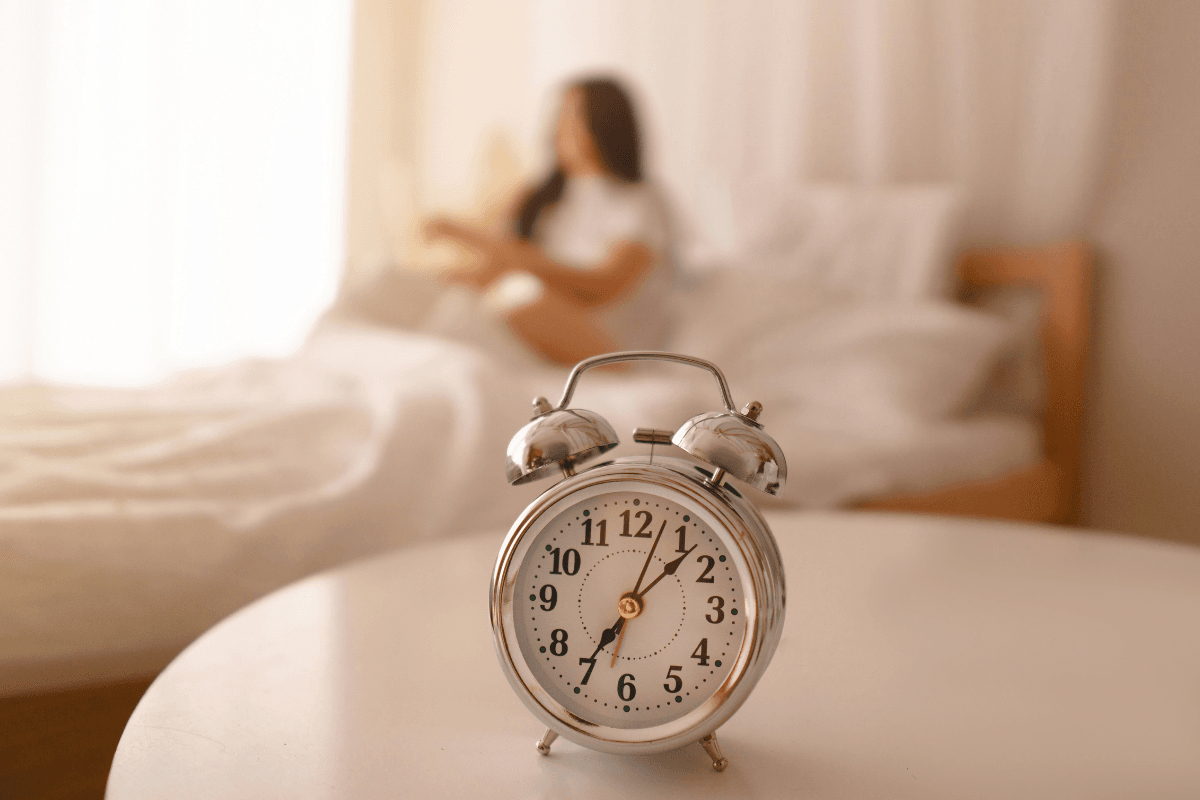


A good morning doesn’t happen by accident. It’s usually the result of a few repeatable choices. Morning routines can reduce chaos, lower decision fatigue, and help you feel steadier through the day. They can also make your mornings feel less like a sprint.
The goal isn’t a perfect “5 a.m. plan.” It’s a routine that matches your sleep, responsibilities, and energy. Small habits done consistently tend to beat big changes you can’t sustain.
Key Takeaways
- Keep the routine short, then earn complexity later.
- Focus on timing, light, movement, and food basics.
- Make it easy: remove friction the night before.
- Personalize for your life stage and schedule.
- If mornings feel impossible, consider sleep or health factors.
Some services, including Medispress, offer telehealth visits with licensed U.S. clinicians.
Morning Routines: A Practical Framework
Think of a morning plan as a “launch sequence.” It gets you from sleep mode to task mode with fewer interruptions. The best routines are not the longest. They are the most repeatable.
A helpful way to design your routine is to separate building blocks (what you do) from constraints (what your morning allows). Constraints include commute time, kids’ schedules, early classes, shift work, and how you slept. When you design around constraints, you rely less on willpower.
Why it matters: Consistency often improves when the routine fits your real mornings.
Start by choosing your “non-negotiables.” For many people, that’s some combination of light exposure, hydration, hygiene, and a plan for the first hour. Then add one optional habit that supports your goal (energy, focus, mood, training, or studying).
| Building block | What it supports | Low-effort version |
|---|---|---|
| Light | Wakefulness and body clock timing | Open curtains or step outside briefly |
| Movement | Alertness and mood | Two minutes of mobility or a short walk |
| Food plan | Stable energy and fewer cravings later | Decide breakfast the night before |
| Focus plan | Less mental clutter | Write three priorities on paper |
If you like structure, you can turn this into a simple “morning routine list.” Keep it visible. A note on the fridge or a phone reminder works fine. The point is to make the next step obvious.
For broader wellness reading, you can browse the General Health hub and explore topics that connect to energy, sleep, and habits.
The Science You Can Actually Use
When people talk about “scientifically proven” morning routines, they often mean habits that align with basic physiology. You don’t need perfection. You need a few inputs that reliably shift your body from sleepy to alert.
Three themes show up again and again: your circadian rhythm (internal clock), your stress response, and your blood sugar stability. You can work with these systems without turning your morning into a lab experiment.
Light and circadian timing
Light is one of the strongest signals for your body clock. Bright morning light can help your brain understand that it’s daytime. For many people, that supports earlier alertness and can make nighttime sleepiness arrive more predictably.
If you can’t get outside, try opening blinds and moving toward a window while you do another task. If you wake before sunrise, you can still use indoor light and keep the rest of the routine consistent. Your goal is a repeatable “start signal.”
Movement, temperature, and mental state
Light movement raises your heart rate and body temperature. That shift can reduce grogginess. You do not need a full workout for this effect. A few minutes of stretching, a brisk shower, or a short walk can be enough to “flip the switch.”
Mindset matters too. Stress spikes often begin with information overload. If your first ten minutes are news, email, and social media, your brain starts the day reactive. A brief pause, quiet breakfast, or a written plan can make your morning feel more intentional.
Nutrition can also support steadier energy. If you’re curious about meal planning strategies, Virtual Nutrition Counseling is a useful overview of how nutrition support can work remotely.
Many platforms also run visits by video using secure, HIPAA-compliant apps.
A 10-Step Template You Can Personalize
This section is a starting point, not a rulebook. Use it to build a basic morning routine, then swap in habits that match your day. The idea is to keep the order stable while letting the details evolve.
Once you’ve tested it for a week, adjust one step at a time. That approach prevents you from changing everything and not knowing what helped.
The 3-minute start (for low-energy mornings)
On hard days, start tiny. Promise yourself three minutes. Many people find momentum follows action, not the other way around. After three minutes, you can stop or continue without guilt.
Quick tip: Put the first step on autopilot with a single cue.
- Get out of bed and sit upright.
- Drink water you set out the night before.
- Turn on lights or open curtains.
- Bathroom routine (wash face, brush teeth).
- Two to five minutes of easy movement.
- Take any scheduled non-prescription items you normally use.
- Eat a planned breakfast or choose a simple fallback.
- Write your top three priorities for the day.
- Do one “quick win” task (make bed, pack bag).
- Check messages only after your plan is set.
To turn this into morning routines you can keep, remove friction the night before. Lay out clothes. Prep breakfast basics. Charge devices away from the bed. These aren’t glamorous steps, but they reduce morning decision load.
If you’re using telehealth for any ongoing care, it can also help to prepare a short list of symptoms, sleep patterns, and questions. You can use Prepare For Your Telehealth Appointment as a practical checklist, and Top Questions During A Telehealth Visit to organize what you want to cover.
Morning Plans for Students, Adults, and Men
Different seasons of life need different defaults. A morning routine for students may center on getting out the door, staying focused in class, and avoiding late-morning energy crashes. For many adults, the pressure point is competing roles. And for some men, the focus may be strength training, work performance, or mood stability. Morning routines work best when they match the real goal.
Below are examples you can borrow, then tailor. Treat them as templates, not identities.
For students (including at home)
Students often underestimate how much the first 20 minutes shape attention. Aim for a predictable “wake and warm up” sequence before screens. If you’re studying from home, a short “commute ritual” helps separate sleep space from work space.
- Light + water: open curtains, drink water.
- Two-minute movement: neck, shoulders, hips.
- Breakfast plan: protein + fiber when possible.
- Preview: scan today’s schedule and deadlines.
- Pack once: bag, charger, keys in one spot.
If you’re a teacher or caregiver, a simple classroom starter can help too. A slide deck or “classroom morning routine” prompt is less about control and more about reducing transitions.
Example: A college student sets a timer for eight minutes. She opens the blinds, drinks water, and does a short stretch. Only then does she check messages and start breakfast. The routine is short, but it’s repeatable on exam weeks.
For busy adults
Adults often do better with a “minimum viable routine.” If you can keep a 12-minute version on rough mornings, you’re more likely to keep the 25-minute version on better days.
- Start signal: light and a short shower.
- Fuel decision: choose breakfast before bed.
- One priority: pick a single high-impact task.
- Boundary: delay email until you’re ready.
For broader wellness topics across life stages, see Women’s Health.
For men (fitness and mental bandwidth)
A “best morning routine for men” is not one routine. It depends on sleep, training goals, workload, and stress. If your priorities include fitness, keep movement early but realistic. If your priority is mental clarity, reduce morning noise and plan your first hour.
If you want a wider health overview that includes fitness, diet, and mood, Men’s Health Guide is a helpful starting point.
Common Pitfalls That Undercut Consistency
Most routines fail for predictable reasons. Usually, the plan is too ambitious, too fragile, or too dependent on motivation. Fixing the design is often more effective than “trying harder.”
If you’ve tried a “best morning routines” list online and it didn’t stick, it may not be you. It may be the mismatch between the routine and your constraints.
- Too many steps: fatigue arrives by step five.
- All-or-nothing thinking: one slip becomes a reset.
- Screen-first habit: attention gets hijacked early.
- Unplanned mornings: everything becomes a decision.
- Late-night drift: the morning pays the price.
A better approach is to build a “floor” and a “ceiling.” The floor is the minimum you do even on bad days. The ceiling is the expanded version you do when time and energy allow. That structure supports successful morning routines because it protects consistency.
When Mornings Feel Hard: Sleep, Mood, and Health Flags
If you’re doing the basics and still feel wiped out, pay attention to patterns. Persistent fatigue can be linked to sleep quality, mood, stress, medical conditions, or side effects from medications. This doesn’t mean something is wrong, but it can be a reason to check in with a clinician.
If morning routines feel impossible despite good intentions, consider tracking a few basics for one week: bedtime, wake time, caffeine timing, alcohol, exercise, and mood. Bring those notes to a visit if you decide to seek care.
Support can happen in different ways. For example, Telehealth For Depression explains how virtual care may fit into mental health support, and Telehealth For Seniors discusses considerations for older adults.
Why it matters: Ongoing morning fatigue can affect safety, work, and mood.
Some physical health issues can also show up as low energy, frequent urination, or unusual thirst. If you’re managing blood sugar concerns, Lifestyle Changes For Type 2 Diabetes is a neutral overview of common approaches. If you want to recognize warning signals, Warning Signs Of Hyperglycemia reviews symptoms that may need prompt attention.
Breathing symptoms can change your sleep and morning energy too. If that’s relevant for you, Telehealth For Asthma covers what virtual support can look like. And if nicotine affects your sleep or morning cravings, Quit Smoking With Telehealth outlines care options and safety considerations.
Medispress visits are video-based and run through a secure, HIPAA-compliant app.
If you’re comparing services, safety checks matter. How Telehealth Platforms Keep You Safe explains common red flags and what to look for.
Authoritative Sources
- CDC overview of healthy sleep needs by age
- NHLBI basics on sleep deprivation and impacts
- American Psychological Association on stress and health
Further reading: If you’re exploring care models in general, Telehealth Services explains common ways virtual visits work. When clinically appropriate, Medispress clinicians may coordinate prescription options through partner pharmacies.
This content is for informational purposes only and is not a substitute for professional medical advice.