


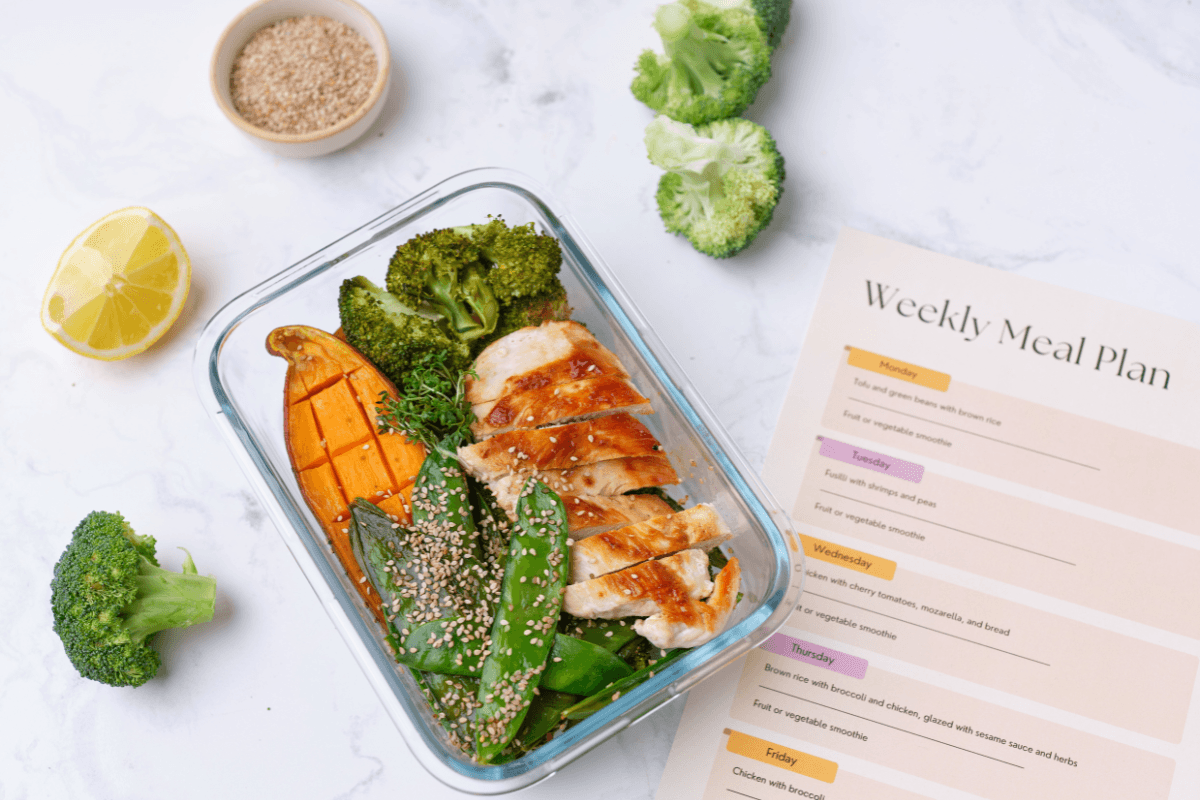


Getting a gestational diabetes diagnosis can make meals feel complicated overnight. You may be tracking numbers, reading labels, and second-guessing cravings. A structured 7-day meal plan for gestational diabetes can reduce decision fatigue and help you eat consistently through the day.
The goal is not “perfect eating.” It is steadier blood glucose, enough nutrients for pregnancy, and meals you can repeat. You will likely adjust portions and carb choices based on the targets your prenatal team gives you.
This article offers a practical weekly menu, plus easy swaps for different food cultures and preferences. It also includes snack ideas, grocery planning, and common pitfalls to avoid.
Quick tip: Pick two breakfasts and rotate them for a week.
Key Takeaways
If you are building a 7-day meal plan for gestational diabetes, focus on repeatable patterns more than “special” foods. Many people do best with consistent meal timing, balanced plates, and planned snacks.
- Balance matters: Pair carbohydrates with protein, fiber, and healthy fats.
- Carb quality counts: Choose higher-fiber, lower-glycemic options when possible.
- Consistency helps: Similar meal timing can reduce big glucose swings.
- Plan for real life: Keep backup meals and portable snacks on hand.
- Individual targets vary: Use your clinician’s goals to personalize portions.
What Gestational Diabetes Changes About Meals
Gestational diabetes happens when pregnancy hormones make it harder for insulin to work well. Insulin is the hormone that helps move glucose (sugar) from your blood into your cells for energy. When insulin resistance rises, blood glucose can run higher after eating, especially after carbohydrate-heavy meals.
Nutrition planning is often a first-line tool because carbohydrates have the strongest, most immediate effect on after-meal blood sugar. That does not mean you must eliminate carbs. It means choosing carbs with more fiber, spreading them across the day, and pairing them with protein or fat to slow digestion.
Many people find that a 7-day meal plan for gestational diabetes works best when it includes three steady meals plus planned snacks. Snacks can prevent long gaps between meals, which may trigger overeating later. They can also make it easier to hit pregnancy nutrition needs without “carb stacking” at one sitting.
If you want broader context on metabolic health topics, you can browse the Diabetes hub for related reading.
Medispress visits connect you with licensed U.S. clinicians.
Carbs, Glycemic Index, and Portion Basics
Carbohydrates are not all the same. Some break down quickly and raise blood glucose fast. Others digest more slowly because they include fiber, protein, or intact grains. The glycemic index (GI) is one way of describing how quickly a carb-containing food may raise blood sugar compared with a reference food. Lower-GI foods tend to raise blood sugar more gradually, though portion size still matters.
In practice, you do not need to memorize GI tables. Instead, look for patterns: fewer sugary drinks, fewer refined grains, and more fiber-rich carbs. Whole grains, beans, lentils, vegetables, and many whole fruits often fit well into meal plans, depending on your individual response.
Carb Counting Without Obsessing
Carb counting for gestational diabetes is a tool, not a test. Some clinics provide carb “ranges” per meal or snack. Others emphasize plate balance and consistent meal timing. If your team recommends counting, start simple: learn which foods contain carbs (grains, fruit, milk/yogurt, beans, starchy vegetables, sweets). Then focus on keeping portions consistent rather than chasing precision. Your glucose checks can help you see which meals work best for your body.
Why it matters: Small portion shifts can change your after-meal numbers.
| Carb Choice | Often Easier on Blood Sugar When Paired With | Simple Examples |
|---|---|---|
| Whole grains | Protein + vegetables | Brown rice with dal and salad |
| Beans and lentils | Healthy fats + non-starchy veg | Chana with cucumber and olive oil |
| Fruit | Protein or nuts | Apple with peanut butter |
| Dairy (milk/yogurt) | Seeds or nuts | Greek yogurt with chia |
Portion sizes for gestational diabetes are usually individualized. A practical starting point for many meals is: half the plate non-starchy vegetables, a quarter protein, and a quarter carb foods. If your readings are often higher than your clinician’s targets, your team may suggest different carb amounts, different timing, or different carb sources.
7-day meal plan for gestational diabetes: A Sample Week
This sample menu is meant to be realistic, repeatable, and flexible. It uses familiar foods and simple cooking methods. If you prefer a printable format, you can copy this into a notes app or ask your clinic for a gestational diabetes meal plan pdf that matches their targets.
How to Use This Sample Menu
Use this as a template, not a strict script. Swap proteins (chicken, fish, tofu, eggs) and swap vegetables based on what you like. Keep the “structure” the same: a carb source in a sensible portion, plus protein, plus fiber-rich produce. If you are a picky eater or dealing with nausea, start with the meals you can tolerate and repeat them. Consistency beats variety when you are stressed and busy. If you track glucose, jot down which breakfasts and snacks keep you steadier, then build your week around those patterns.
Visits are by video in a secure HIPAA-compliant app.
Day 1
- Breakfast: Eggs with spinach; whole-grain toast
- Snack: Greek yogurt with chia seeds
- Lunch: Chicken salad; olive oil and vinegar; crackers
- Snack: Apple slices with nut butter
- Dinner: Baked salmon; quinoa; roasted broccoli
Day 2
- Breakfast: Oatmeal; walnuts; cinnamon; berries
- Snack: Cheese stick; cucumber slices
- Lunch: Turkey and avocado wrap; side salad
- Snack: Handful of almonds; small orange
- Dinner: Tofu stir-fry; mixed vegetables; brown rice
Day 3
- Breakfast: Cottage cheese; sliced pear; pumpkin seeds
- Snack: Hard-boiled egg
- Lunch: Lentil soup; side of sautéed greens
- Snack: Carrot sticks with hummus
- Dinner: Shrimp or paneer; zucchini noodles; tomato sauce
Day 4
- Breakfast: Smoothie with unsweetened milk; spinach; nut butter
- Snack: Whole-grain crackers; cheese
- Lunch: Quinoa bowl; chickpeas; roasted vegetables
- Snack: Mixed nuts
- Dinner: Baked cod; green beans; small sweet potato
Day 5
- Breakfast: Whole-grain English muffin; eggs; avocado
- Snack: Plain Greek yogurt; berries
- Lunch: Tuna salad on whole-grain bread; tomato and lettuce
- Snack: Roasted chickpeas
- Dinner: Turkey meatballs; whole-wheat pasta; sautéed spinach
Day 6
- Breakfast: Chia pudding; unsweetened milk; strawberries
- Snack: Celery with peanut butter
- Lunch: Veggie omelet; side salad
- Snack: Small apple; handful of walnuts
- Dinner: Grilled chicken; brown rice; asparagus
Day 7
- Breakfast: Savory yogurt bowl; cucumbers; herbs; nuts
- Snack: Boiled egg; cherry tomatoes
- Lunch: Leftover protein; vegetables; small portion of whole grains
- Snack: Cottage cheese; cinnamon
- Dinner: Baked fish or tofu; cauliflower mash; sautéed kale
If you are comparing approaches, this sample gestational diabetes menu is closer to “balanced plate” planning than strict macros. Some people prefer a 7-day meal plan for gestational diabetes pdf so they can highlight swaps and portions.
Making Room for Indian and Vegetarian Meals
A gestational diabetes meal plan indian pattern can work well because many traditional meals already center on legumes, vegetables, and yogurt. The main challenge is often carb density. Rice, roti, dosa, idli, and sweets can add up quickly, especially when portions grow. Instead of removing these foods, many people do better by adjusting how they are built and paired.
For a vegetarian gestational diabetes meal plan, prioritize protein at each meal. Options may include dal, chana, rajma, tofu, paneer, Greek yogurt, eggs (if you eat them), and nuts or seeds. Then add non-starchy vegetables for volume and fiber, and finish with a measured portion of grains or starchy vegetables.
Indian Meal Templates You Can Repeat
Think in templates that fit your kitchen. For breakfast ideas, consider vegetable upma with extra peanuts, or moong dal chilla with yogurt. For lunch ideas, try a bowl with mixed sabzi, dal, and a smaller portion of brown rice or millet. For dinner ideas indian styles, paneer tikka with salad and a small roti can feel satisfying without being carb-heavy. If you prefer South Indian foods, a 7 day meal plan for gestational diabetes south indian approach might include smaller idli portions paired with sambar (lentil stew) and a side of vegetables for more fiber and protein.
When you are adapting a 7-day meal plan for gestational diabetes to Indian meals, keep an eye on hidden sugars. Some chutneys, packaged yogurt, sauces, and “health” drinks include added sweeteners. Reading labels can be surprisingly helpful.
Meal Prep, Grocery List, and Smart Swaps
Meal prep for gestational diabetes does not need to be a Sunday marathon. A little batch cooking can prevent last-minute choices that lead to spikes. Aim to prep a few “mix-and-match” pieces: a protein, a roasted vegetable tray, and one carb staple you portion out.
A 7-day meal plan for gestational diabetes gets easier when your kitchen is stocked for quick assembly. If you like structure, you can also use a gestational diabetes meal plan app to save meals and repeat grocery lists. Some people prefer a pregnancy sugar diet chart on the fridge to remember which foods tend to raise glucose faster.
- Protein basics: Eggs, chicken, fish, tofu, paneer, beans
- High-fiber carbs: Oats, quinoa, brown rice, whole grains, lentils
- Non-starchy vegetables: Greens, broccoli, peppers, zucchini, cauliflower
- Fats and add-ons: Olive oil, avocado, nuts, seeds
- Snack staples: Greek yogurt, hummus, cheese, nut butter
Checklist: Set Up Your Week
- Pick repeat meals: Two breakfasts, two lunches, two dinners.
- Plan snacks: Put them between long gaps.
- Batch a protein: Grill, bake, or sauté once.
- Prep produce: Wash, chop, and store.
- Portion carbs: Cook once, divide into containers.
- Create backups: Keep freezer meals or pantry options.
- Write swaps: Note what to use when cravings hit.
Healthy swaps for gestational diabetes usually keep the “feel” of a meal while changing the glucose impact. Examples include: choosing whole grains over refined grains, swapping sugary drinks for water or unsweetened options, and adding more vegetables to reduce the carb-heavy portion. Foods to avoid with gestational diabetes are often the ones that combine refined carbs with added sugars, like sweet drinks, pastries, and large dessert portions.
Tracking Patterns and Talking With Your Care Team
Home glucose checks (if your clinician recommended them) are feedback, not a grade. Try to look for patterns over several days. Does breakfast spike you more than dinner? Do certain carb sources work better? This is where pairing carbs and protein gestational diabetes strategies can be especially useful, because they are simple to test and repeat.
Bring specifics to appointments: what you ate, rough portions, and timing. That information helps your team fine-tune your plan. If you also have pre-existing diabetes, nutrition may look different than a typical gestational plan. A type 2 diabetes pregnancy meal plan often requires closer coordination with your clinician, because targets and medications can differ.
- Skipping snacks: Long gaps can lead to overeating later.
- “Naked” carbs: Eating carbs without protein or fat.
- Liquid sugar: Juice, sweet coffee drinks, sweetened teas.
- Portion creep: Bigger “healthy” servings over time.
When appropriate, clinicians can coordinate prescriptions through partner pharmacies.
For broader women’s wellness context, you can explore Women’s Health topics, including Women’s Health Your Guide To Wellness At Every Age.
Authoritative Sources
- CDC overview of gestational diabetes
- American Diabetes Association: gestational diabetes
- ACOG FAQ on gestational diabetes
Further reading: if you are navigating other hormone shifts across life stages, see Hormonal Health Tips For Women In Menopause.
This content is for informational purposes only and is not a substitute for professional medical advice.