


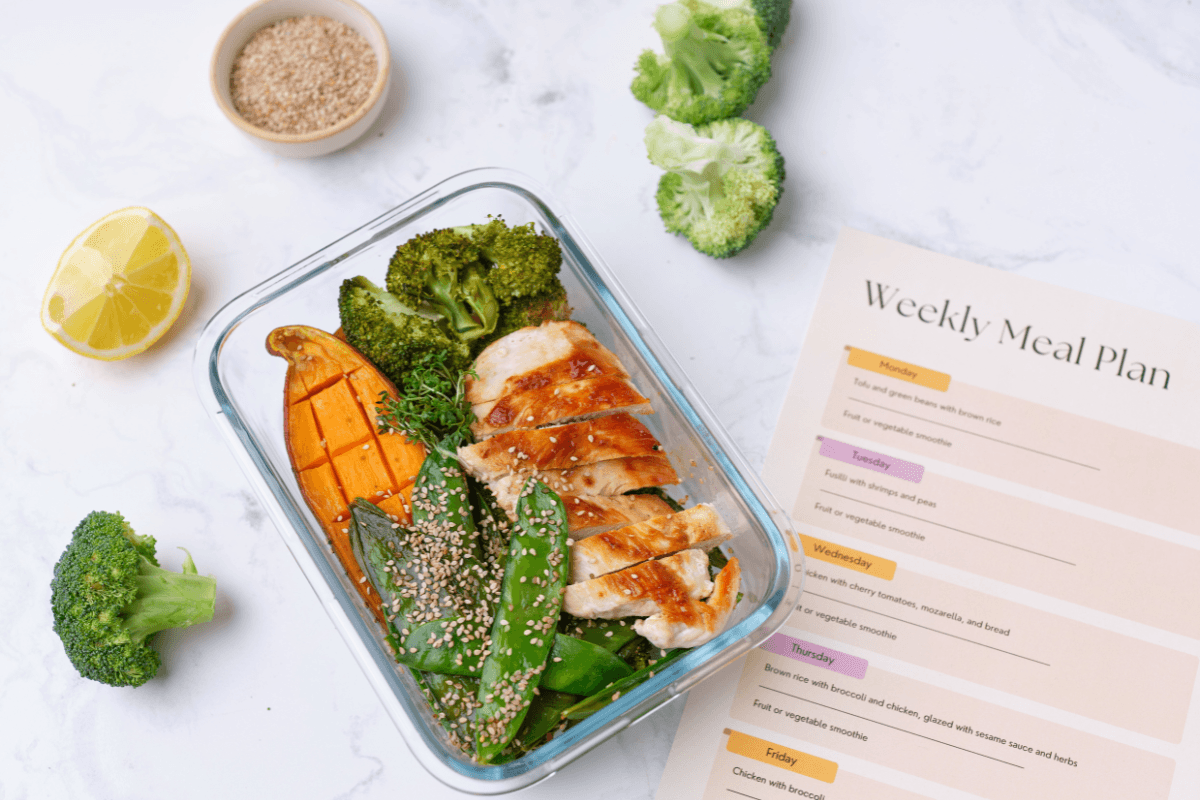


A 7-Day Meal Plan for Gestational Diabetes That Works usually looks less like a strict diet and more like a repeatable weekly pattern. The goal is to spread carbohydrate foods across the day, pair them with protein, fiber, and healthy fats, and choose meals you can actually eat during pregnancy. That matters because gestational diabetes can change how you plan breakfast, snacks, and grocery shopping, but most people do better with flexible structure than with a long list of forbidden foods.
This sample week is a starting point, not a prescription. Your blood sugar goals, appetite, food culture, nausea, activity, and medications may all change what works best. If you are already working with an obstetric clinician, diabetes educator, or dietitian, use this page as a conversation starter. For broader pregnancy-care context, our Virtual Prenatal Care overview explains how remote check-ins can complement office visits.
Key Takeaways
- Most gestational diabetes meal plans work best when meals are regular and predictable.
- Carbohydrates usually stay in the plan, but pairing and timing matter.
- Protein, fiber, and healthy fats can make meals more balanced and filling.
- Breakfast and sweet drinks often need extra attention.
- A sample week is most useful when you adapt it with your care team.
Medispress connects patients with licensed U.S. clinicians by video.
What Makes a Gestational Diabetes Meal Plan Work
Gestational diabetes happens when pregnancy hormones increase insulin resistance, meaning the body does not use insulin as well. A practical eating plan does not aim for zero carbohydrates. It aims for steadier blood sugar, enough nutrition for pregnancy, and meals that are realistic on workdays, tired days, and days when nausea is part of the picture.
In most cases, that means eating at regular times, avoiding long stretches without food, and building meals that are mixed rather than carb-heavy. Many people do better when each meal includes a carbohydrate source, a clear protein source, and some fiber-rich produce. That structure can slow digestion, support fullness, and make after-meal blood sugar easier to interpret.
- Carbohydrate foods can still fit, including fruit, milk or yogurt, beans, grains, and starchy vegetables.
- Protein anchors may include eggs, poultry, fish, tofu, tempeh, Greek yogurt, cottage cheese, beans, or nuts.
- Fiber often comes from non-starchy vegetables such as leafy greens, peppers, cucumbers, broccoli, and cauliflower.
- Healthy fats like avocado, seeds, nuts, and olive oil can help meals feel more satisfying.
One simple test is to look at the whole plate. If the meal is mostly starch, it may need a stronger protein or vegetable anchor. If the meal has protein but no carbohydrate at all, it may be harder to sustain and may not match the plan your pregnancy team wants. The sweet spot is usually a balanced plate you can repeat without overthinking.
A plan often works best when breakfast is simpler and lower in fast-digesting carbohydrates, because morning readings can be tougher for some people. That does not mean fruit, toast, or dairy are off-limits forever. It means your post-meal glucose, or after-meal blood sugar, matters more than generic internet rules.
This kind of sample week often helps people who were recently diagnosed, want meal ideas before a dietitian visit, or need a reset after a few chaotic days. It is not a substitute for an individualized plan, especially if you take insulin, are carrying multiples, have significant vomiting, or had diabetes before pregnancy. For related reading, browse the Diabetes Hub and the broader Women’s Health Hub.
Why it matters: The best meal plan is the one you can still follow on a tired Tuesday.
A 7-Day Sample Week You Can Adapt
Below is a 7-Day Meal Plan for Gestational Diabetes That Works as a template, not a fixed prescription. Each day uses the same basic pattern: a balanced breakfast, lunch, dinner, and one or two snack ideas. Repeating meals is fine. Consistency is often more helpful than chasing constant variety.
| Day | Breakfast | Lunch | Dinner | Snack Ideas |
|---|---|---|---|---|
| Day 1 | Greek yogurt with berries and chia seeds | Grilled chicken wrap in a whole-grain tortilla with side salad | Baked salmon, quinoa, and roasted broccoli | Apple with peanut butter; cheese with cucumber slices |
| Day 2 | Eggs with spinach and whole-grain toast | Lentil soup with a mixed salad | Chicken stir-fry with brown rice and peppers | Cottage cheese with pear; a small handful of nuts |
| Day 3 | Oatmeal with walnuts and cinnamon | Chickpea salad bowl with cucumbers and tomatoes | Turkey meatballs with zucchini noodles and marinara | Hummus with vegetables; plain yogurt |
| Day 4 | Cottage cheese with strawberries and walnuts | Grilled chicken salad with beans | Tofu and vegetable curry with cauliflower rice plus a small side of rice | Half a banana with nuts; boiled egg |
| Day 5 | Veggie omelet with avocado | Quinoa bowl with black beans, greens, and salsa | Baked cod or tofu with farro and green beans | Greek yogurt; whole-grain crackers with cheese |
| Day 6 | Chia pudding with pumpkin seeds | Leftovers with a side salad | Lean beef or tempeh fajita bowl with peppers and avocado | Celery with peanut butter; roasted chickpeas |
| Day 7 | Whole-grain English muffin with egg and cheese | Chicken or tofu lettuce cups with vegetable soup | Roast chicken or lentil loaf with Brussels sprouts and mashed cauliflower | Small apple with cheese; edamame |
Use the table to borrow combinations, not to follow every item exactly. If oats, rice, bread, fruit, beans, or dairy affect your readings differently, swap the carbohydrate source rather than skipping the whole meal. Many people keep two breakfasts, two lunches, and three dinners on rotation and do better than when they try to invent a new menu every day.
If breakfast is your hardest meal, do not feel locked into the table. Morning glucose can be harder for some people. Moving fruit, cereal, or milk to later in the day and starting with eggs, yogurt, toast, or another protein-paired option may be easier to manage.
Quick tip: Save two easy breakfasts and two easy lunches for your busiest days.
Clinical decisions stay with the licensed treating clinician.
Food Swaps, Snacks, and Breakfast Strategies
Most problems in gestational diabetes meal planning come from patterns, not single foods. A breakfast of juice and toast may raise blood sugar faster than eggs with toast and avocado. A large bowl of white rice eaten alone may behave differently than a smaller serving paired with fish, tofu, chicken, or vegetables. The better question is often not Can I ever eat this again. It is What should I pair it with, and when does it fit best in my day.
- Sweet drinks often work better as water, sparkling water, or unsweetened tea.
- Sugary cereal can often be replaced with eggs, plain yogurt, or oatmeal with nuts.
- Crackers alone may work better when paired with cheese, hummus, or nut butter.
- Large rice or pasta portions usually work better when reduced and paired with protein and vegetables.
- Flavored yogurt may be easier to fit in if you switch to plain Greek yogurt with fruit.
Good snacks usually combine a carbohydrate with protein or fat. Common examples include apple with peanut butter, plain yogurt with berries, cheese with whole-grain crackers, hummus with vegetables and a small pita, roasted chickpeas, edamame, or a boiled egg with fruit. If your team suggests an evening snack, predictability often helps more than a dessert-style option.
What often causes bigger spikes
Patterns that often run into trouble include drinking carbohydrates instead of eating them, having pastries or sweets without protein, or relying on large takeout portions where rice, fries, noodles, or bread dominate the meal. Restaurant meals can still fit, but they usually work better when you slow down, add vegetables, and notice how much of the plate is starch.
Vegetarian and cultural adaptations
Vegetarian plans can work well. Beans, lentils, tofu, tempeh, eggs, Greek yogurt, cottage cheese, nuts, seeds, and cheese can all add protein. If your usual meals include rice, roti, idli, dosa, tortillas, noodles, or plantains, the goal is balance, not elimination. Keep portions consistent, add a clear protein source, and fill the rest of the plate with vegetables. Lower-glycemic foods, meaning foods that may raise blood sugar more gradually, can help, but your own readings still matter most.
Grocery List and Meal-Prep Moves for a Busy Week
If you want a 7-Day Meal Plan for Gestational Diabetes That Works on busy days, build your week around repeatable ingredients rather than seven separate recipes. Grocery shopping gets easier when you think in building blocks instead of perfect meals.
- Protein basics: eggs, chicken, fish, tofu, Greek yogurt, cottage cheese, beans, and lentils.
- Carbohydrate staples: oats, whole-grain bread, quinoa, brown or basmati rice, sweet potatoes, beans, and fruit.
- Produce picks: leafy greens, peppers, cucumbers, broccoli, cauliflower, berries, apples, and citrus.
- Healthy fats: avocado, nuts, seeds, olive oil, and nut butter.
- Backup foods: frozen vegetables, canned beans, plain yogurt, soup, and prewashed salad.
It also helps to prep for the moments when pregnancy symptoms change your plan. If nausea is worse in the morning, a cold breakfast may feel easier than a hot one. If evening cooking is hard, freezer backups such as cooked chicken, vegetables, soup, or bean chili can keep you from defaulting to a very refined takeout meal.
- Pick two breakfasts you usually tolerate well.
- Cook one protein and one grain in advance.
- Wash and cut vegetables early in the week.
- Keep two grab-and-go snacks visible.
- Repeat lunches instead of improvising every day.
Meal planning can feel heavy during pregnancy, especially when you are also checking glucose, working, or caring for other children. If the mental load is building, our overview of Telehealth for Mental Health explains how remote therapy may fit into broader support.
When to Review the Plan With Your Care Team
A sample menu is only useful if it matches your real glucose pattern. Review the plan with your prenatal team if you keep seeing out-of-range readings based on the targets they gave you, if morning numbers stay hard to manage, or if the same meal causes very different results from day to day. Patterns often matter more than one unusual reading.
You should also ask for help if nausea, vomiting, food aversions, weight loss, food insecurity, or a vegetarian or culturally specific diet makes standard handouts hard to follow. A registered dietitian or diabetes educator can often help you preserve favorite foods while changing timing, pairings, or portions.
Some people need medication even when their eating plan is careful and consistent. Placental hormones can make glucose harder to control as pregnancy progresses. That is a treatment adjustment, not a personal failure.
If medication is needed, prescription coordination depends on state rules.
Contact your obstetric team promptly if you cannot keep food or fluids down, feel dehydrated, have repeated high or low readings, or feel unwell. After delivery, gestational diabetes often improves, but follow-up still matters because future diabetes risk can remain higher. Our article on Postpartum Telehealth Support covers one way ongoing check-ins may continue in the fourth trimester.
Authoritative Sources
- For a plain-language overview, the CDC page on gestational diabetes is a useful starting point.
- For nutrition and monitoring basics, the NIDDK overview of gestational diabetes adds more detail.
- For obstetric context, the ACOG FAQ on gestational diabetes covers testing and treatment questions.
A practical gestational diabetes diet plan is less about eating perfectly and more about building repeatable meals that fit your schedule, culture, and glucose pattern. In other words, a 7-Day Meal Plan for Gestational Diabetes That Works is one you can repeat, track, and safely adapt with your care team.
This content is for informational purposes only and is not a substitute for professional medical advice.